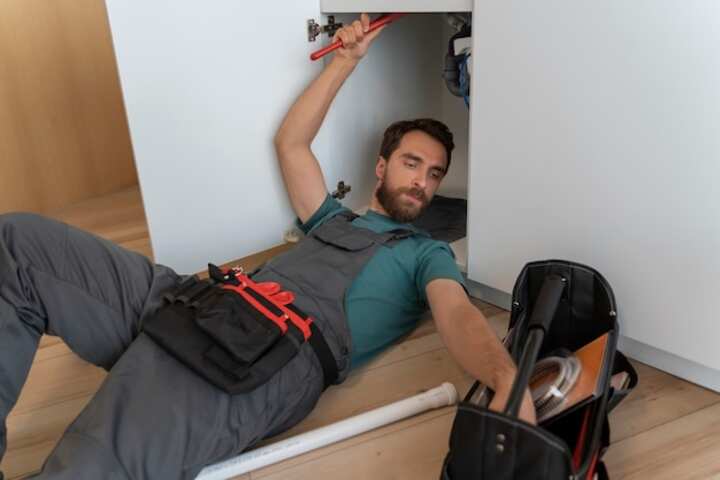
Expert Slab Leak Repair Cost-Efficient Solutions Near You
Slab leaks can pose significant challenges to homeowners, potentially leading to extensive water damage and costly repairs. Identifying and addressing these leaks promptly is crucial to preventing further issues. This article explores cost-efficient solutions for slab leak repair, offering insights into the causes, detection methods, and available repair options. By understanding these critical aspects, homeowners can make informed decisions about managing slab leaks effectively.
Understanding Slab Leaks
Slab leaks occur when pipes beneath a concrete slab foundation develop leaks. These leaks can be caused by various factors, such as:
- Poor installation or construction practices
- Corrosion of pipes due to soil chemistry
- High water pressure causing stress on pipes
- Shifts in the foundation due to soil movement
These leaks can lead to severe structural damage if not addressed promptly. Learn more in this detailed guide.
Detecting Slab Leaks
Early detection of slab leaks is essential to minimize damage and repair costs. Common signs of a slab leak include:
- Unexplained increase in water bills
- Wet or damp spots on flooring
- Low water pressure
- Warm areas on the floor
- Mold or mildew growth
Professional leak detection services often employ advanced technology, such as electronic listening devices and infrared cameras, to accurately locate the source of the leak. Read more about this topic.
Cost-Efficient Repair Solutions
Non-Invasive Repair Techniques
Non-invasive repair methods are often preferred for their minimal disruption and cost-effectiveness. These techniques include:
- Epoxy Pipe Coating: A cost-effective method where an epoxy coating is applied to the inside of the pipes to seal leaks and prevent future corrosion.
- Trenchless Pipe Repair: This involves creating small access points to repair or replace the pipes without extensive excavation. This method is less invasive and often more affordable.
Explore further insights here.
Traditional Repair Methods
In some cases, traditional repair methods may be necessary, especially if the damage is extensive. These include:
- Pipe Rerouting: Involves redirecting the plumbing through a new path, bypassing the damaged section.
- Direct Access Repair: Entails breaking through the slab to access and repair the damaged pipe. This method can be more costly and disruptive but may be required for severe leaks.
Find additional information here.
Choosing the Right Repair Option
Selecting the appropriate repair method depends on several factors, including the extent of the damage, the home's plumbing configuration, and budget considerations. Consulting with a professional who specializes in slab leak repairs can provide valuable insights and help determine the most suitable solution.
Homeowners should consider obtaining multiple quotes from different contractors to compare costs and services. It's also essential to verify the credentials and experience of the service providers to ensure quality workmanship. Learn more in this detailed guide.
Preventing Future Slab Leaks
Preventive measures can significantly reduce the risk of slab leaks and prolong the lifespan of the plumbing system. Consider the following strategies:
- Regular inspections by a professional to identify potential issues early
- Maintaining optimal water pressure to minimize stress on pipes
- Ensuring proper drainage around the foundation to prevent soil movement
- Using high-quality, corrosion-resistant materials for plumbing installations
Read more about this topic here.
Addressing slab leaks promptly and effectively can save homeowners from significant expenses and inconvenience. By understanding the causes, detection methods, and available repair options, homeowners can make informed decisions to protect their property. For more insights and detailed guidance, explore further insights here.